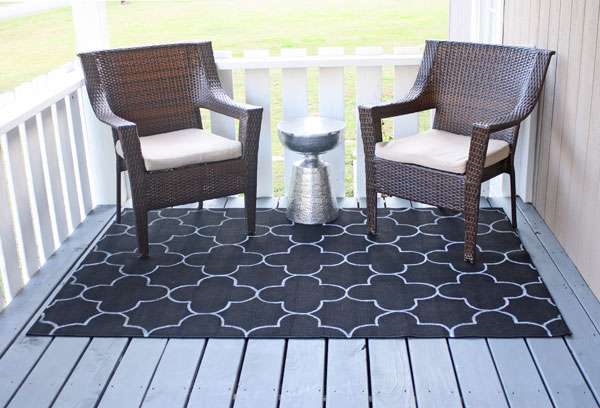
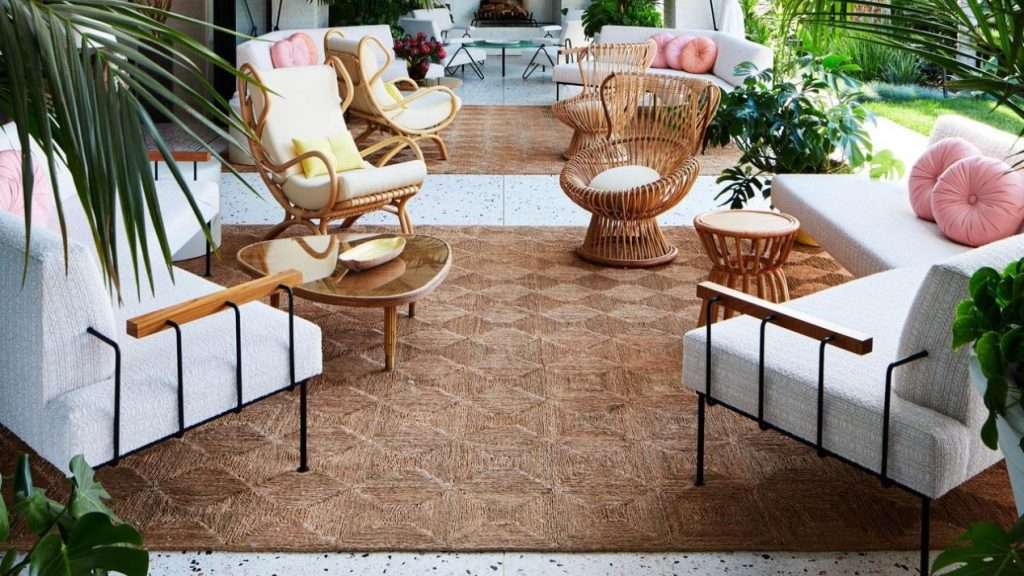
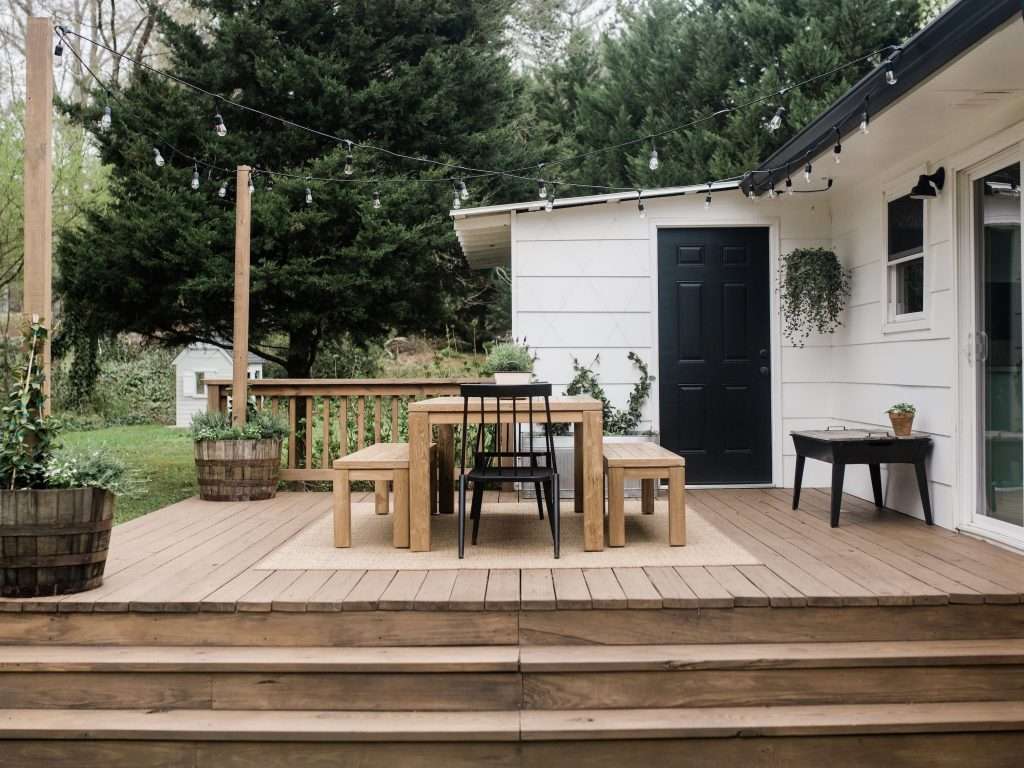
On a summer afternoon, sunlight filters through the treetops into the courtyard. You hold an iced coffee in your hand and a high-quality outdoor rug at your feet.
This scene is probably the “chill” moment that many people dream of.
However, reality is often harsh.
The rug you carefully selected began to fade, harden, and even crack at the edges after being exposed to the scorching sun for only a short time, becoming the most unsightly thing in the yard.
Looking at that once vibrant rug, now yellowed like old newspapers, you couldn’t help but question life: Is there really no rug that can truly withstand such extreme sun exposure?
Honestly, you’re not the only one having these problems.
As a pragmatist who loves tinkering with my yard but is extremely averse to hassle, I know this pain point all too well. After countless mistakes and wasting a lot of money, I’ve discovered that the key to choosing the right outdoor rugs lies in understanding the material science behind them.
Today, let’s delve into how to pick out a truly reliable product in hot weather.
1. Why does your carpet get “ruined” in the summer?
Often we complain that outdoor rugs aren’t durable, but rarely do we investigate the root causes of their short lifespan. In reality, the culprits are simply two “invisible killers”: UV rays and high temperatures.
UV Radiation: The “Number One Killer” of Color.
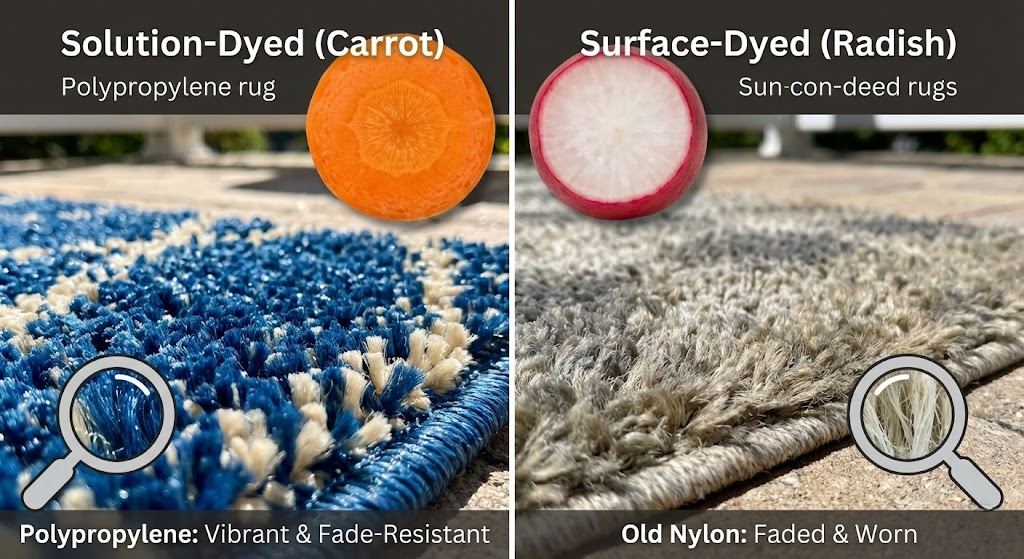
Ultraviolet (UV) radiation acts like a miniature pair of scissors, directly damaging the dye molecules within fibers. This explains why your expensive nylon rug might turn pink when red and gray when black after two months of exposure to sunlight.
- Days.
High temperature and humidity: a breeding ground for mold.
Hot climates are often accompanied by high humidity (or afternoon thunderstorms). Once a carpet gets damp, it will not only emit an odor but also accelerate fiber decay.
(Want to know how to choose a carpet for rainy days? Check out this article: The Perfect Outdoor Rugs for Rainy Days)
II. Selection of “Hardcore” Materials for Hot Climates
When choosing outdoor rugs, the material determines their impact resistance. Here are a few that I’ve tested thoroughly over the years:
1. Polypropylene (PP): The pragmatist’s “lifeblood”
This is my personal top recommendation for this material, bar none.
- out,
Sun protection principle: Its fibers are typically produced using a solution-dyed process. This is like a carrot, orange inside and out; unlike a radish, which is only red on the skin. Therefore, it has excellent UV protection capabilities.
Waterproof: It does not absorb water at all, dries very quickly after being rained on, and can effectively inhibit mold growth.
- mind,
Don’t be fooled by the “feel.” Outdoors, durability and softness are often inversely proportional. If you want a silky feel, it’s best to leave it indoors.
PP outdoor rugs tend to feel stiff, but this “hardcore” quality translates to peace of mind as the color won’t fade for three to five years.
Polyester(In-depth review: Why does PP material completely outperform PET? Outdoor Rugs Showdown: Polypropylene vs. Polyester)
2. PET (recycled plastic bottle fiber): a compromise between environmental protection and durability
Outdoor rugs made from recycled plastic are a good option.
Experience: It feels slightly softer than PP, with a texture similar to cotton and linen.
The problem: The edge-locking process is crucial! I once bought a PET rug, and because the edge-locking was too loose, the edges started to fray after a little over a year, looking like it had been scratched by a stray cat.
3. Acrylic: Has a wool-like texture.
It feels very similar to wool and has excellent UV protection. However, it’s expensive and prone to pilling. Unless you have a very large budget, PP remains the best value for money.
III. Selection Details: The “Micro-Management” That Determines Lifespan
Even if you choose the right material, if you ignore these details, your outdoor rugs still won’t last more than two summers.
1. Weaving structure: Plain weave is the way to go.
Flatweave carpets have no pile and a tightly woven structure. In hot regions, this not only means they are less prone to trapping dirt and grime, but also that they dissipate heat and dry quickly.
Thick, long-pile carpets, on the other hand, are like putting a down jacket on the floor in high temperatures, only creating a trapping effect that promotes mold growth.
2. Color Philosophy: Reject “Fluorescent Colors”
Embrace colors that “look like they haven’t been washed properly.”
Sounds counterintuitive? But it’s true. Highly saturated colors like bright red and deep blue fade most noticeably in sunlight and look dirtiest.
On the other hand, earthy tones and low-saturation shades like gray, beige, or taupe outdoor rugs blend in perfectly with dirt. Even if they fade slightly after prolonged sun exposure, it won’t be noticeable.
3. Overlocking process: A way to spot defective products at a glance.
Loose edge finishing can halve the lifespan of a rug.
Check the edge sealing first when you buy it. If the edge sealing is too loose, within a summer, thermal expansion and contraction combined with foot traffic will cause the edges to fray like they’ve been scratched by a cat.
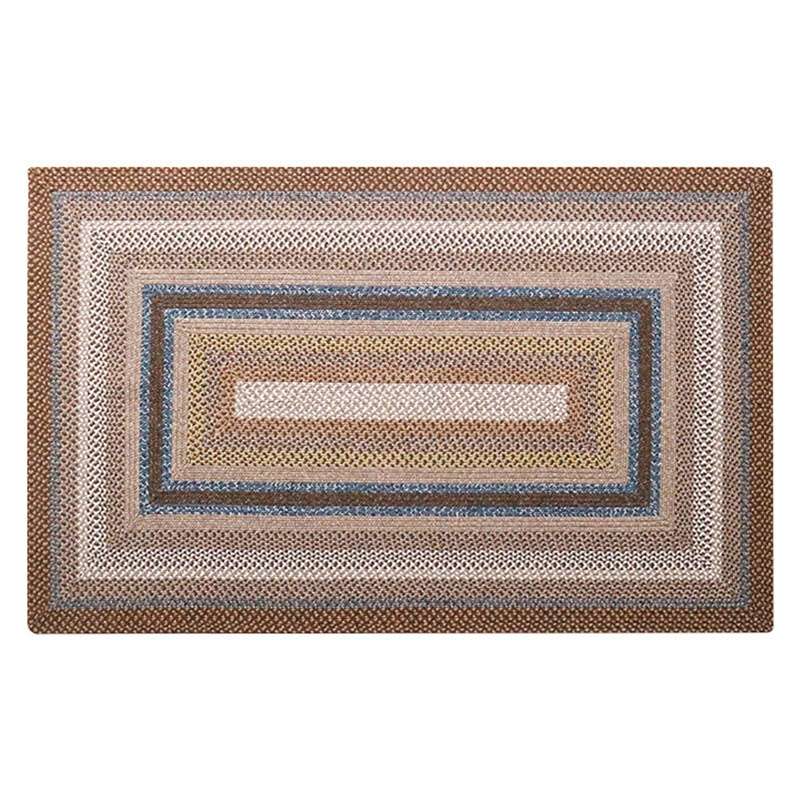
High-quality outdoor rugs typically use tight double-layered serged edges.
IV. Daily Maintenance
Even good rugs require “frequent care,” but if you choose the right outdoor rugs, maintenance can be very simple.
What if your carpet is really dirty? Here’s a quick cleaning guide: How to Clean Outdoor Rugs Fast
Conclusion: Choose the right rug and enjoy comfort.
Choosing outdoor rugs is a balance between practicality and aesthetics. From material selection to weaving techniques, every decision affects whether your summer garden can truly be both “good-looking and durable.”
I hope my hard-earned experience can help you avoid some pitfalls.
After all, a truly relaxing courtyard shouldn’t be plagued by a difficult-to-care-for, fade-prone rug.
Ready to battle the scorching sun? Check out my handpicked Fade-Resistant collection, specially designed for hot climates: Top Rated UV Resistant Outdoor Rugs Collection
FAQ: Frequently Asked Questions about Carpets for Hot Climates
Q: Is “UV Stabilized” a rip-off?
A: Absolutely not. It usually means that UV stabilizers have been added during the manufacturing process, significantly extending the lifespan of the carpet’s color. Make sure to look for this term on the label before buying.
Q: Will dark-colored carpets get too hot underfoot in the summer?
color orA: Yes. Dark colors absorb heat—that’s a physical law. If you’ll be using it in direct sunlight, it’s recommended to choose a light or neutral color, or only walk barefoot on it in the morning or evening.
Q: Can I take my indoor rug out of the house?
A: Absolutely not. The adhesive backing of indoor rugs will melt at high temperatures and is not completely UV-resistant; it will be unusable within a month. See here for details: Outdoor Rugs vs. Indoor Rugs.
Frequently Asked Questions About Outdoor Rugs in Hot Climates
Is “UV Stabilized” just a marketing gimmick?
Do dark outdoor rugs get too hot in the summer?
Can I use an indoor rug outside on my patio?

About Derek Cole
Derek Cole is the Lead Editor and Material Researcher at BuyOutdoorRugs. Based in the rainy Pacific Northwest, Derek treats outdoor styling as a discipline of durability. He manages the site’s rigorous vetting process to separate the durable from the disposable.
My Outdoor Living Journey
I’ll never forget my first real attempt at styling a patio. I bought a stunning jute rug, treating my deck like an indoor living room. And boy, did nature humble me.
One week of heavy rain later, that "perfect" rug had turned into a 50-pound, waterlogged sponge. It smelled like a swamp and trapped moisture against my wood decking.
I learned that day that you can’t just copy-paste indoor rules to the outside. I started digging deeper—moving away from "looks" to understanding solution-dyed fibers and weave density.
What I Do Here
A big part of my role at BuyOutdoorRugs is cutting through the marketing fluff. I analyze "boring" specs like weave patterns so you don’t have to guess.
It’s amazing how two rugs can look identical in a photo, but one will disintegrate in the sun while the other lasts for years.
See you on the patio,
- Derek