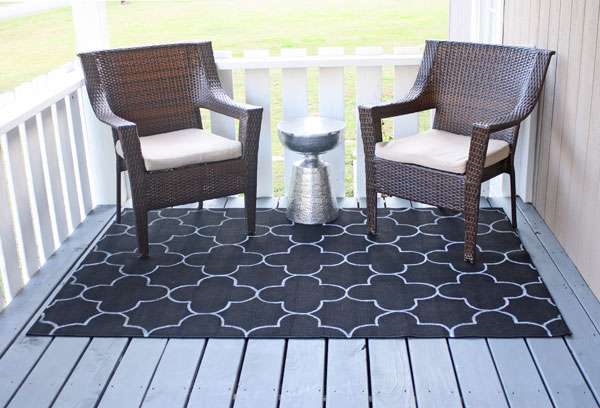
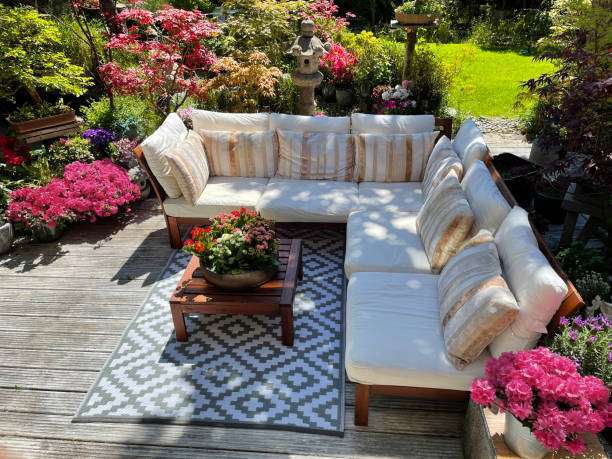
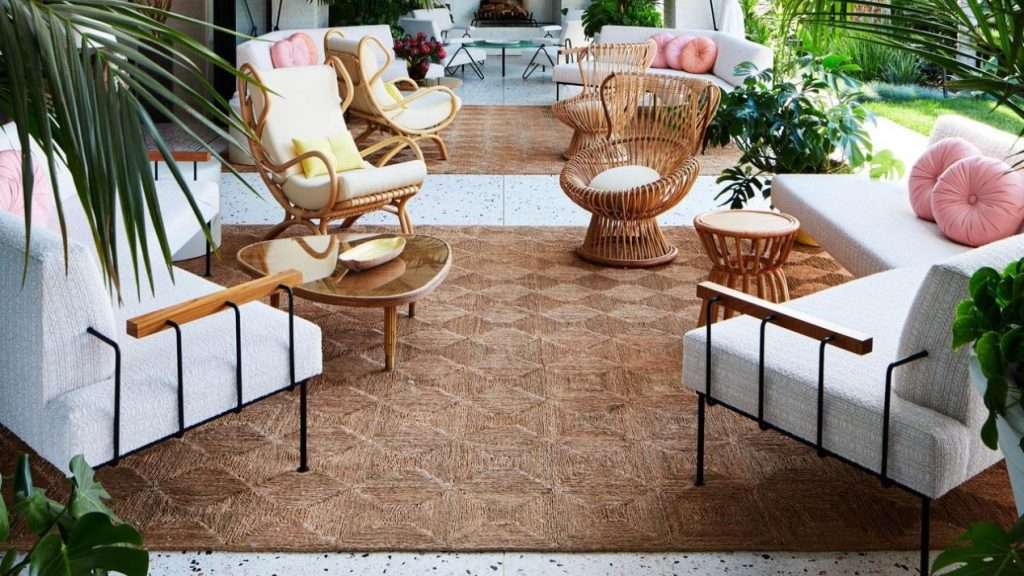
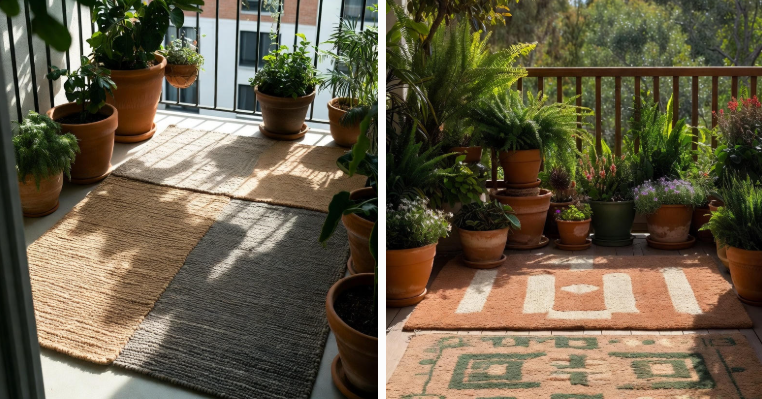
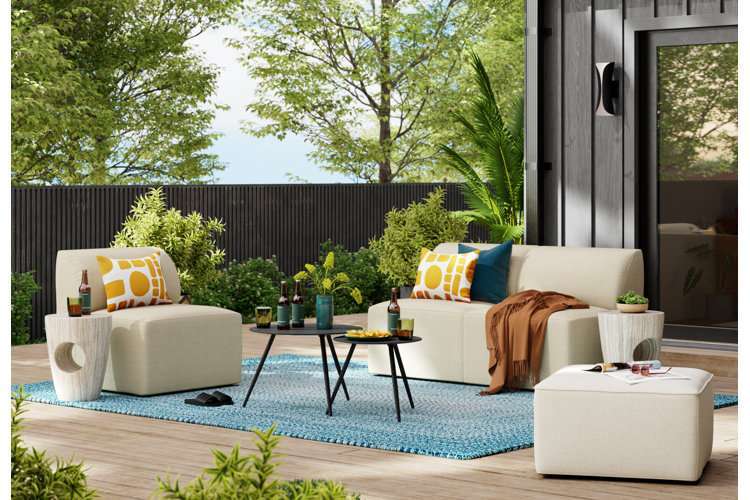
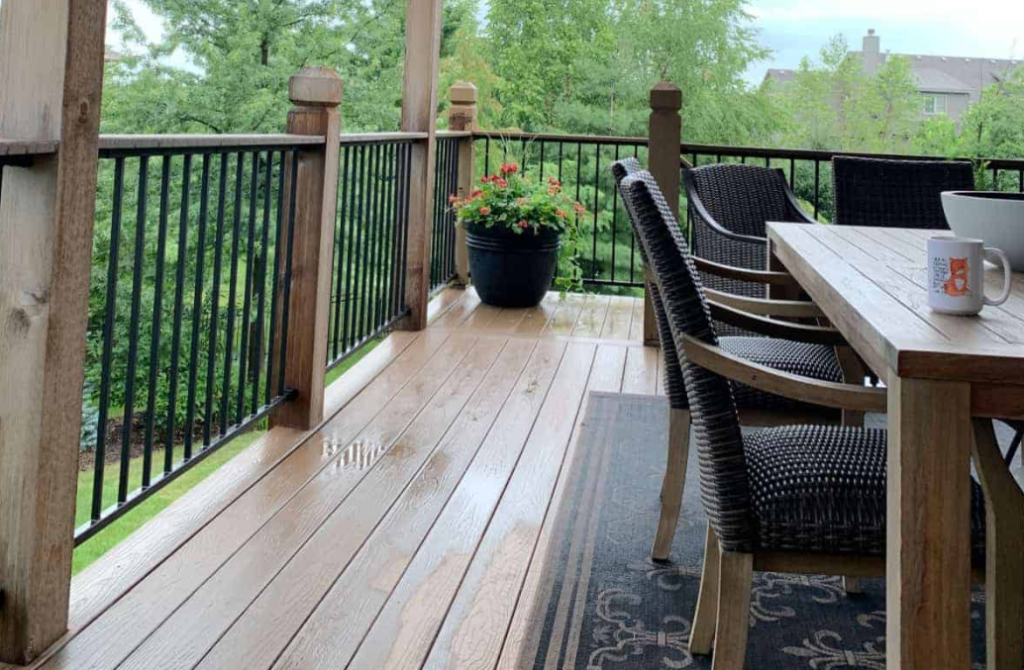
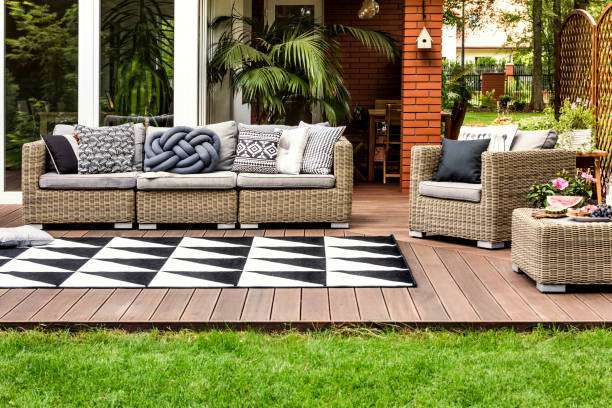
Honestly, the feeling of comfort and relaxation when you lay an outdoor rug on your own wooden patio is irreplaceable. It instantly elevates the style of the entire yard, and walking barefoot on it is no longer just cold, hard wood; it also helps protect the wood from scratches from furniture.
But as a pragmatist who “loves to tinker with the yard but is extremely afraid of trouble,” I must pour cold water on this idea: behind this wonderful thing lies a huge “hidden landmine”—mold.
Choosing the wrong rug can turn a protective barrier for your wooden deck into a killer. I’ve seen too many neighbors where, when you lift up the rug, you find black mold spots underneath, or even rotting wood. Today, let’s have a frank discussion on how to choose the right outdoor rug for your wooden deck and say goodbye to those unpleasant “accidents.”
I. Material Selection: Which material is the “hardcore” contender for mold prevention?
When choosing outdoor rugs , the material is the first criterion, as it directly determines whether you’ll have peace of mind or a lot of trouble.
1. Polypropylene: The “evergreen” of outdoor carpets
If you ask me which material is the most reliable, my answer will always be polypropylene (PP). It’s practically made for the outdoors.
Naturally non-absorbent: Its fibrous structure is like plastic, so water droplets will simply roll off instead of seeping in. Without a damp breeding ground, mold naturally cannot thrive.
Durable and robust: This material is UV resistant and does not easily fade.
Tips for avoiding pitfalls: Don’t be fooled by the “feel.” Outdoors, durability and softness are often inversely proportional. Want a silky feel? Then stay indoors. Although PP material feels slightly stiff, the sense of solidity and reassurance it provides is unmatched by other materials.
2. Polyester/PET: A compromise between environmental friendliness and aesthetics
Many PET carpets nowadays are made from recycled plastic bottles, making them extremely environmentally friendly.
Enhanced feel: Compared to PP, it feels slightly softer and the colors are brighter.
Performance balance: It also boasts excellent stain resistance and drainage. If you’re a little particular about comfort underfoot, PET is a great alternative for outdoor rugs on wooden decks .
3. Absolutely “danger zone”: Natural fibers (jute, sisal)
I know the wabi-sabi aesthetic of jute rugs is breathtaking. But take my advice: never put them on your wooden patio! These natural fibers are like giant sponges; once they get wet, they can trap moisture for weeks. This constant dampness will directly cause your wooden floors to mold and rot. The cost of repairing the floor will be enough to buy ten rugs.

II. Design Details: Does it trap dirt and grime or is it self-cleaning?
Besides the material, the design of a carpet also determines its “household workload”.
Weave density and drainage: When purchasing, it is recommended to choose a weave with slight gaps. This helps with moisture evaporation and air circulation.
My “coffee test method”: Don’t just listen to the seller’s claims. After buying it, pour half a cup of water (or even coffee) into it and see how quickly it absorbs. If water stains stay on the surface for a long time, then its drainage performance is definitely substandard.
The philosophy of “high-level gray”: Choosing that “unwashed gray” is actually the most sophisticated option. This neutral tone blends perfectly with dust and dirt particles, so you don’t have to scrub it with a hose every week.
III. The “Guardian” of Wooden Floors: Rug Pads are the Soul
A good outdoor rug for wooden deck must be paired with an equally hardcore partner – a floor mat.
Many people think that floor mats are only for preventing slipping, but their greater function is to create “microcirculation” .
Breathable and mildew-resistant: The floor mat creates a tiny gap between the carpet and the wooden floor, allowing air to flow in. This helps the moisture dry quickly after rain, eliminating the space for mold to thrive.
Material selection: Be sure to choose a mesh-like PVC or synthetic rubber floor mat. Solid, non-breathable floor mats will actually trap moisture, which is counterproductive.
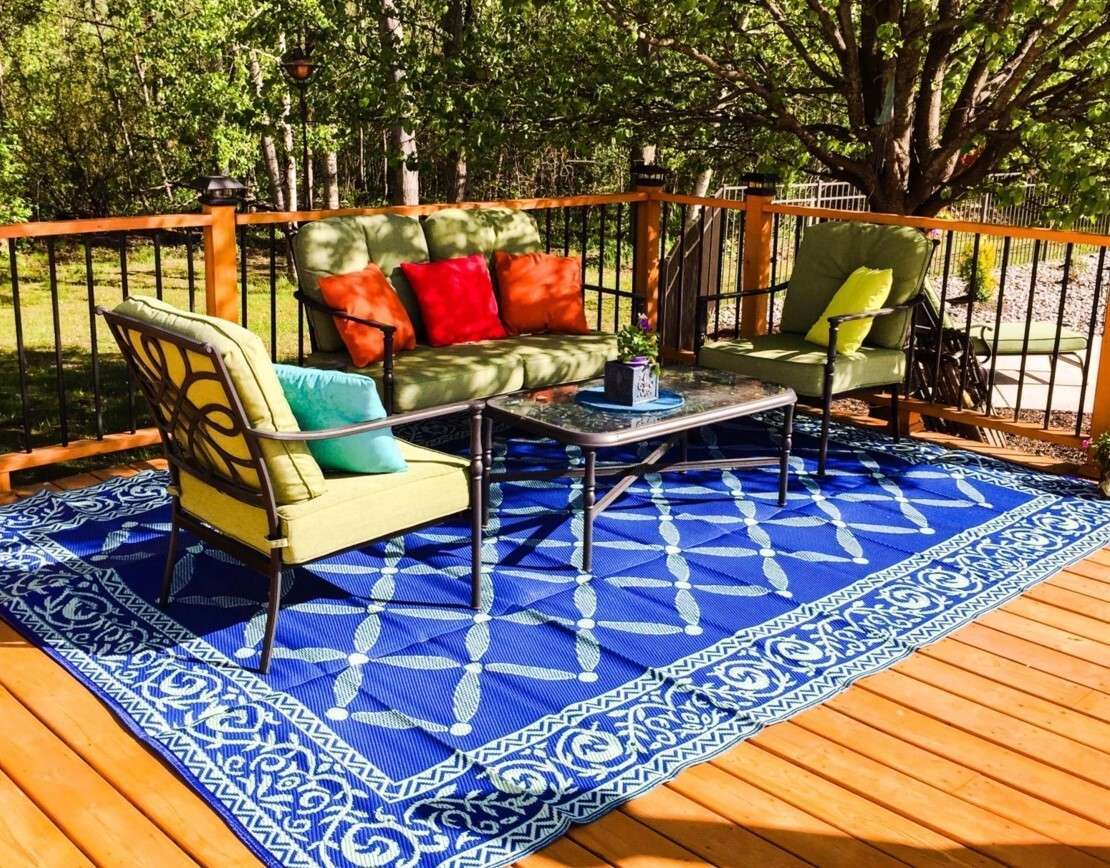
IV. The Truth About Sizes: Don’t Buy Too Small Just Because You’re Worried About Spending Money
Regarding size, I’ve noticed most people buy too small. A rug that’s too small on a large patio looks like a cheap showroom. Outdoor rugs should be large enough to weigh down the legs of sofas and coffee tables. Larger sizes not only look more spacious, but the weight of the furniture also provides natural stability, eliminating the need for anti-slip mats.
V. Routine Care: Giving Your Wooden Floors a “Check-up”
Even the finest carpets need maintenance. My experience is:
Regularly “lift the veil”: Even the best breathable carpet should be lifted after the rainy season to allow the wooden floor to fully see the sun and air out.
Edge inspection: Check the edge finishing first when you buy it. If the edge finishing is loose, the carpet edges will look like they’ve been scratched by a cat within a summer.
Emergency solution: Spilled red wine or coffee? Quickly wipe it with warm water and a little dish soap. PP material will basically not leave any marks.
Conclusion: Choose the right carpet for a more comfortable experience.
Choosing outdoor rugs does require some research, but as long as you master the golden rule of “PP material + breathable mat + regular ventilation”, you can basically say goodbye to the troubles of mold and water stains.
If you’re looking to upgrade your outdoor space, consider these standards. While they may not offer the softness of a Simmons mattress, the carefree comfort they provide is the essence of outdoor living.
Have you chosen the right rug for your patio? Or have you encountered any problems cleaning your wooden floors? Feel free to leave a comment below and let’s avoid these pitfalls together!
See more practical tips on how to clean and maintain outdoor rugs.

About Derek Cole
Derek Cole is the Lead Editor and Material Researcher at BuyOutdoorRugs. Based in the rainy Pacific Northwest, Derek treats outdoor styling as a discipline of durability. He manages the site’s rigorous vetting process to separate the durable from the disposable.
My Outdoor Living Journey
I’ll never forget my first real attempt at styling a patio. I bought a stunning jute rug, treating my deck like an indoor living room. And boy, did nature humble me.
One week of heavy rain later, that "perfect" rug had turned into a 50-pound, waterlogged sponge. It smelled like a swamp and trapped moisture against my wood decking.
I learned that day that you can’t just copy-paste indoor rules to the outside. I started digging deeper—moving away from "looks" to understanding solution-dyed fibers and weave density.
What I Do Here
A big part of my role at BuyOutdoorRugs is cutting through the marketing fluff. I analyze "boring" specs like weave patterns so you don’t have to guess.
It’s amazing how two rugs can look identical in a photo, but one will disintegrate in the sun while the other lasts for years.
See you on the patio,
- Derek