Outdoor Rugs Showdown: Polypropylene vs. Polyester – The Ultimate Buying Guide
Hey fellow backyard lovers!
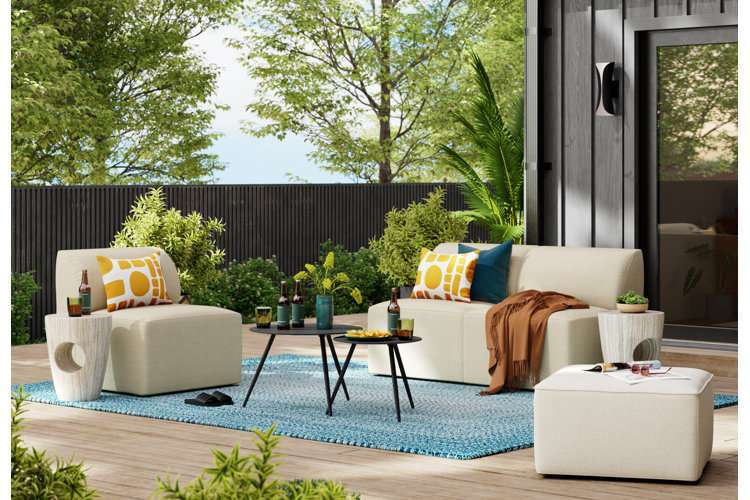
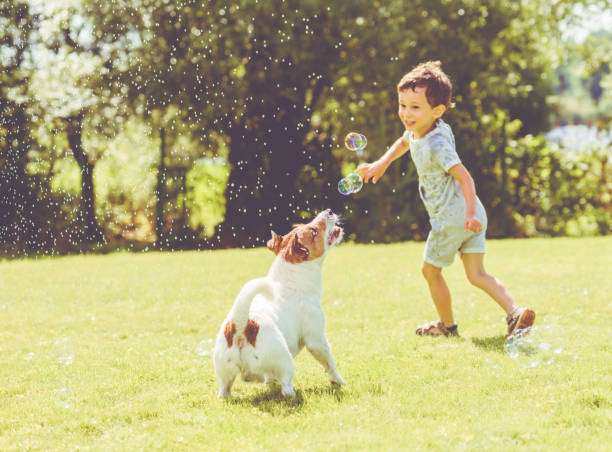
Do you, like me, always have this image in your mind: laying out a beautiful outdoor rug on your own terrace , stepping barefoot on it, holding a cup of coffee, watching your kids roll around on it, and your cats and dogs sunbathing nearby… It’s practically the template for a “vacation paradise” on social media, right?
However, reality is often harsh. It can even be a bit “sharp”.
My first experience buying Outdoor Rugs was a classic case of “being out of my mind.” I was only focused on how pretty the online pictures looked, and ended up making a huge mistake that made me question my entire existence:
I walked barefoot on the scorching hot deck. And the carpet? It fell apart after just one wash!
My kid spilled a glass of juice, and I knelt on the floor for ages trying to clean it up. The stain was like a tattoo welded onto the carpet; it was heartbreaking to look at.
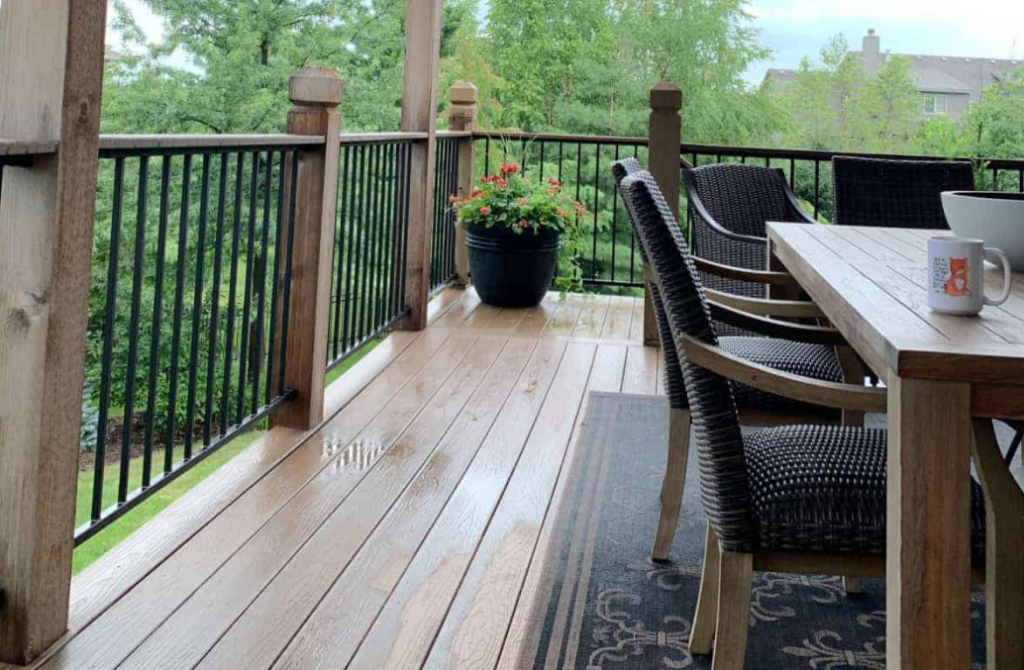
The worst case was my neighbor, Old Wang (who is also a cautionary tale for me). The backing of the carpet he bought melted in the high temperature and stuck directly to his ridiculously expensive wooden deck, which he couldn’t tear off. The scene was a nightmare.
These “failure scenes” taught me a truth through blood and tears: outdoors, appearance is secondary; “durability” is the key!
Don’t worry, I’ve covered all the potential pitfalls for you. Today, as a seasoned “backyard makeover enthusiast,” I’m going to dissect two of the most popular outdoor carpet materials— polypropylene and polyester . Which one is the true “king of durability”? Let’s start our debate.
1. Don’t rush to place an order! This is my golden rule for avoiding bad deals.
Before we delve into the debate over carpet materials, let me share some hard-earned tips for choosing the right one. Remember these points, and they’ll save you a lot of money:
Rule 1: Don’t be misled by feel! The outdoors and indoors are completely different worlds. When choosing outdoor rugs for your patio , “durability” always comes before “softness.” You need a “special forces” rug that can withstand wind, sun, mud, and rain, not a “princess and pea” rug that can only be kept in the living room.
Rule 2: Have furry friends at home? Stick to Flatweave! Take my advice: if you have cats or dogs, you MUST choose a flatweave rug! Those long-haired or loop-pile rugs will turn into a chicken coop with one scratch from your feline overlord. Flatweave rugs are dense, smooth, scratch-resistant, and easy to clean—a lifesaver for cat owners.
Rule 3: Never touch rubber backing! This is a painful lesson. Under high temperatures and direct sunlight, rubber backing will melt, become sticky, and eventually permanently stick to your tiles or deck. Cleaning? Forget about it; you’ll have to replace the entire floor.
Rule 4: Go for bigger rather than smaller. A rug that’s too small looks like a cheap patch on your patio. Go for a larger size that covers most of the area, and your outdoor space will instantly appear more spacious and stylish.
Hardcore testing tip: How to tell if a carpet has good resilience by pinching it with your fingernail? When you get a sample, pinch the fibers firmly with your fingernail. If it springs back immediately , it means this outdoor rug can withstand heavy furniture and won’t develop deep dents even after prolonged pressure.
2. Let’s dig deeper: What are the differences at the molecular level?
To figure out which one is more durable, we need to look beyond the surface and examine the “genes” of these two – their molecular structure.
2.1 Polypropylene (Olefin): A Natural Tough Guy
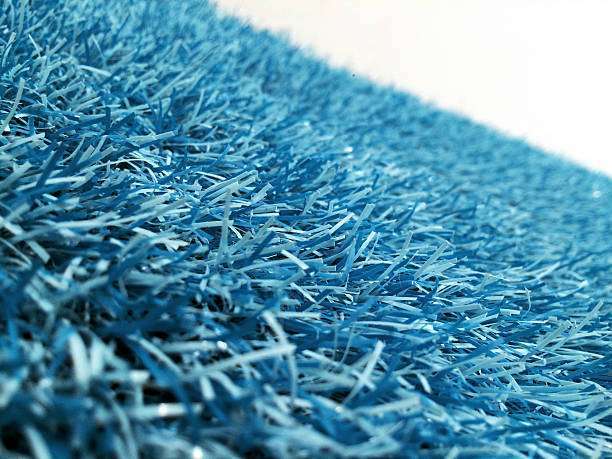
You can think of polypropylene as a “raincoat.” Its molecular structure is very special; it naturally doesn’t absorb water. Water droplets will form beads and roll off instead of seeping in.
UV protection ceiling: It has built-in sun protection properties and is not easy to fade even when exposed to strong sunlight.
Instant drying ability: Because it doesn’t absorb water, it dries incredibly fast after rain, leaving no place for mold to grow.
I once poured a large basin of water onto my polypropylene rug in the backyard. The water simply drained away, and the rug barely got wet. This is a godsend for rainy areas!
2.2 Polyester Fiber (PET): A Pretty “Soft Girl”
The Coca-Cola bottles we usually drink from (PET) are made of this material. Its molecular structure is somewhat hydrophilic, so it absorbs water better than polypropylene, but it is extremely malleable.
Unbeatable feel: The fibers are made so fine that they feel incredibly soft when you walk on them barefoot, giving you a luxurious “mansion feel”.
Aesthetically pleasing: Excellent dyeing properties, capable of producing a variety of vibrant and complex colors and patterns.
I once bought a gorgeous bohemian-style polyester rug. It was undeniably beautiful, but I accidentally spilled oil on it during a BBQ, and the stain wouldn’t come off even after three washes. Also, during the rainy season, the edges always felt damp.
3. Ultimate Showdown: Who Lives Longer? In-depth Evaluation Across Five Dimensions
Talk is cheap. Let’s see who survives to the end in the real, harsh outdoor environment.
Round 1: UV protection performance (sunscreen)
Polypropylene (Winner): It’s like having built-in SPF 100+ sunscreen. It’s a timeless beauty for sun-drenched terraces, with extremely long-lasting color.
Polyester fiber: Although many now have UV-resistant coatings, the base material is still somewhat weak. If the coating quality is poor, it is prone to tanning and fading after a few months of exposure to sunlight.
If your outdoor rugs are exposed to direct sunlight for several hours every day, choose polypropylene without hesitation !
Round 2: Stain Resistance and Cleaning (A Must-Read for Kids/Pets)
Polypropylene (Winner): “Eraser-like” properties. Water-based stains (juice, mud) only remain on the surface. A quick rinse with a hose is all it takes to clean them.
Polyester fibers: Water-based stains are okay, but oily stains are their nightmare (such as BBQ oil or sunscreen). Once they get on them, they can easily leave permanent marks.
After we replaced our carpet with a polypropylene one, my child spilled juice, and I just wiped it up with a damp cloth and it was gone. It’s a lifesaver for this old mom/dad!
Round 3: Abrasion Resistance and Resilience
Polypropylene (winner): Strong fibers and stable structure. It is not easily deformed even under high-frequency foot traffic.
Polyester fiber: The fibers are too fine and soft, making them prone to flattening. Furniture made from prolonged pressure can develop deep dents.
Round 4: Anti-mildew and moisture-proof
Polypropylene (wins): Since it does not absorb water, mold has nowhere to hide.
Polyester fiber: Slightly more absorbent. In southern regions during the rainy season or near swimming pools, where ventilation is poor, it is more prone to mold growth than polypropylene.
Round 5: Appearance and Comfort
Polyester (winner): Polyester wins this round. It does feel softer and the patterns are more delicate.
Polypropylene: Early products did feel like plastic and were a bit prickly on the feet. But now the technology has improved, and many new models feel much better. Although they are still not as soft and smooth as polyester, they definitely won’t burn your feet.
4. Conclusion: For lazy people choosing coordinate axes, just copy the homework.
After this thorough comparison, you should have a better understanding. If you’re still undecided, just check out my “lazy person’s recommendation”:
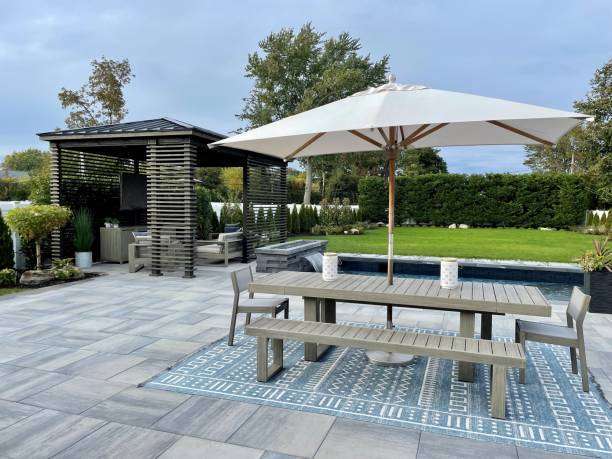
Scenario 1: “Battlefield-level” Terrace (Full sun exposure, high traffic, pets and children, requires vigorous cleaning) Buy without hesitation: Polypropylene (PP). It’s designed for durability. If your backyard is a playground for your kids and pets, or if you’re a lazy person who doesn’t want to spend time cleaning carpets, this is the perfect choice. Say goodbye to fading, mold, and stubborn stains.
Scenario 2: “Resort Style” Balcony (with shelter, fewer people, and a focus on aesthetics and comfort) Consider: Polyester. If your outdoor rugs are laid on a covered balcony, sheltered from the scorching sun, and you value the soft “walking on clouds” feel when barefoot, then polyester is a good choice (remember to choose styles that indicate the presence of UV stabilizers).
Scenario 3: I want both? Some brands are now releasing blended rugs, trying to balance the two. But in my experience, for most ordinary families, pure polypropylene plain-woven rugs are still the most cost-effective and foolproof “ultimate answer”.
Ready to give your backyard a makeover?

About Derek Cole
Derek Cole is the Lead Editor and Material Researcher at BuyOutdoorRugs. Based in the rainy Pacific Northwest, Derek treats outdoor styling as a discipline of durability. He manages the site’s rigorous vetting process to separate the durable from the disposable.
My Outdoor Living Journey
I’ll never forget my first real attempt at styling a patio. I bought a stunning jute rug, treating my deck like an indoor living room. And boy, did nature humble me.
One week of heavy rain later, that "perfect" rug had turned into a 50-pound, waterlogged sponge. It smelled like a swamp and trapped moisture against my wood decking.
I learned that day that you can’t just copy-paste indoor rules to the outside. I started digging deeper—moving away from "looks" to understanding solution-dyed fibers and weave density.
What I Do Here
A big part of my role at BuyOutdoorRugs is cutting through the marketing fluff. I analyze "boring" specs like weave patterns so you don’t have to guess.
It’s amazing how two rugs can look identical in a photo, but one will disintegrate in the sun while the other lasts for years.
See you on the patio,
- Derek