How to Keep Outdoor Rugs from Slipping on a Deck: 5 Proven Solutions
Honestly, who wouldn’t want a terrace that looks like it’s on a magazine cover?
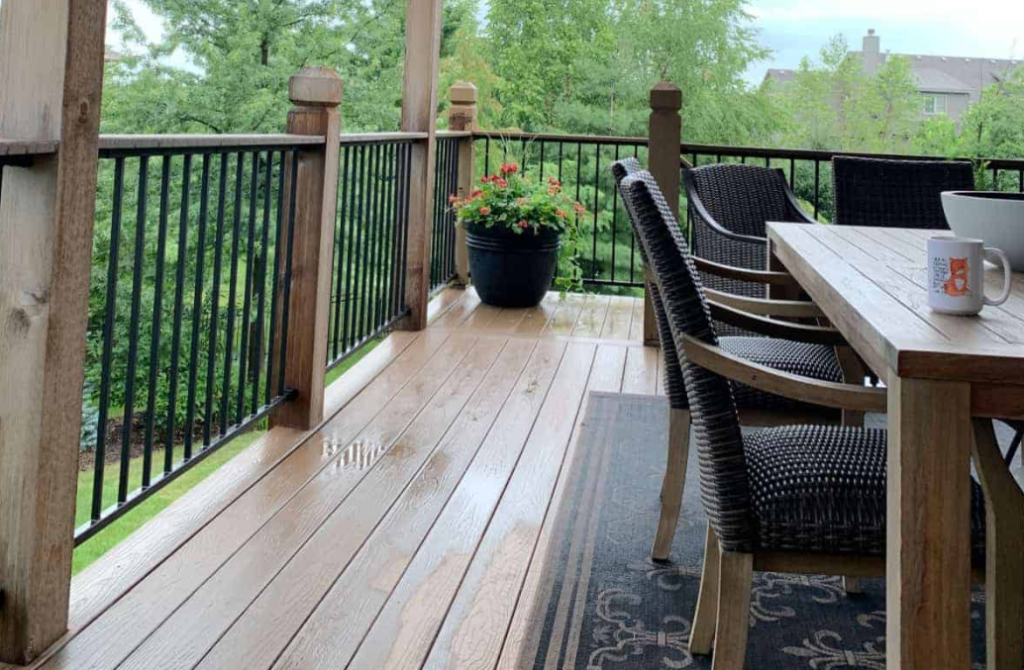
Imagine this: in the morning, you’re sipping coffee, stepping barefoot onto a high-quality outdoor rug. The softness and comfort underfoot could instantly start your day with energy.
But reality is often harsh: a gust of wind blows the rug away; a child jumps, and it rolls up; most embarrassingly, when friends come over for a barbecue, the rug wrinkles as they move their chairs, almost causing someone to trip and fall.
This isn’t just a decorative touch; it’s a safety hazard on your patio!
If your outdoor rugs are constantly acting up on your patio, don’t rush to throw them in the trash. This comprehensive anti-slip guide is for you.
1. Why does your carpet always seem to “run away from home”?
Before we start working on it, we need to figure out why this carpet is so “free-spirited.”
Generally speaking, slippery terrace carpets are caused by these three main culprits:
- Too light and flimsy material: Many low-end outdoor rugs are made as thin as a cicada’s wing in order to reduce costs, and they feel weightless at all.
- The terrace is too “slippery”: whether it’s painted wooden decks, composite materials, or smooth tiles, the coefficient of friction is pitifully low.
- The environment is bad: the terrace is in a windy spot, and with the occasional rain, the carpet and the floor are practically greased.
II. Avoiding Pitfalls: Choosing the Right Product Based on its “Anti-Slip Properties”
Honestly, the best time to fix slippery surfaces is the moment you reach for your wallet.
1. Material: Polypropylene is the eternal “god.”
Don’t be fooled by outdoor rugs advertised as having a “silk-like feel.” Outdoors, durability and stability are paramount.
I personally strongly recommend polypropylene. This material is sturdy and wear-resistant, and its weight and structural stability are far superior to those of lightweight polyester materials.
2. Backing: Natural rubber vs. PVC
When buying a rug, be sure to turn it over and check the back:
- Natural rubber backing: This is the “ceiling” of anti-slip technology, offering extremely strong grip. However, be aware that if your wooden patio isn’t well-sealed, it might become a bit sticky under direct sunlight, requiring periodic movement.
- Unbacked: If you buy a pure woven carpet, it will almost certainly be slippery, and you will have to add auxiliary tools later.
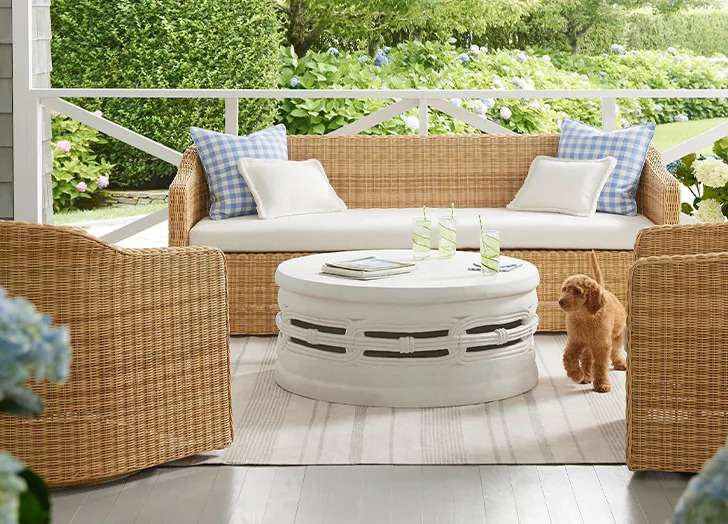
3. Size: It’s better to be larger than smaller, and heavier is also better.
Many people buy small outdoor rugs because they’re worried about the price, but they end up looking like a patch and easily tipping over in the wind.
Take my advice, buy a bigger one! Not only will it cover more area, but you can also use heavy furniture (like sofas or heavy planters) to weigh it down, which is the most natural way to prevent slipping.
III. Practical Exercise: 5 Solutions for “Nailing” the Carpet to the Terrace
What if your carpet is still slippery after you’ve already bought it? Try these drastic measures:
Option 1: High-performance anti-slip mat (Rug pad)—the first choice for professional players
This is my top recommendation, bar none. Buy a rubber mesh non-slip mat specifically designed for outdoor use, cut it slightly smaller than the carpet, and place it underneath.
Advantages:
- Excellent grip
- Provides a “walking on clouds” feel of elasticity.
Tip: Choose the kind with drainage holes; otherwise mold will easily grow under the carpet after rain, and the smell… you definitely don’t want to smell it a second time.
Option 2: Outdoor-specific double-sided tape—the nemesis of curled edges.
If only the corners of the carpet tend to curl up, this kind of tape will come in handy.
Reminder: You must buy the “Outdoor” and “Removable” versions. Regular double-sided tape will melt after a few days in the sun, and you’ll regret cleaning up the residue.
Option 3: Triangular silicone clips (Rug Grippers)
These little gadgets stick to the four corners of the rug. They adhere to the patio surface like suction cups, making them especially suitable for small outdoor rugs that are easily kicked away.
Option 4: Physical compression method—the simplest and most direct fixation method
Don’t underestimate your heavy-duty flower pots or cast-iron patio chairs. Strategically place them along the edges of your rug or in drafty areas, using gravity to your advantage.
One detail, though: if the chairs are frequently moved, remember to add foot pads to prevent wearing down the rug.
Option 5: Anti-slip spray—a last resort
There are anti-slip sprays available on the market that you apply to the back of carpets. Frankly, the effectiveness varies from person to person.
It works okay in dry conditions, but its effectiveness diminishes quickly in prolonged periods of rain, making it more suitable as a short-term supplementary measure.
IV. Random Thoughts: Tips for Long-Term Maintenance
Finally, here are two details to enhance your sense of happiness:
- Color selection: Choose a mixed-color carpet with a “slight gray tone.” A clean, solid-color carpet will look dirty and messy if there is even the slightest movement or dust.
- Regularly turn the carpet over and air it out: Even if the carpet is mildew-resistant, you should turn it over every two or three months to clean the dust and moisture underneath.
Is your patio carpet now “as solid as a rock” or “a mess”? Stop enduring the embarrassment of walking cautiously and quickly pick a solution to fix it!
If you have any better home remedies for preventing slipping, feel free to share them in the comments section, and let’s transform our patios into true havens of comfort together.

About Derek Cole
Derek Cole is the Lead Editor and Material Researcher at BuyOutdoorRugs. Based in the rainy Pacific Northwest, Derek treats outdoor styling as a discipline of durability. He manages the site’s rigorous vetting process to separate the durable from the disposable.
My Outdoor Living Journey
I’ll never forget my first real attempt at styling a patio. I bought a stunning jute rug, treating my deck like an indoor living room. And boy, did nature humble me.
One week of heavy rain later, that "perfect" rug had turned into a 50-pound, waterlogged sponge. It smelled like a swamp and trapped moisture against my wood decking.
I learned that day that you can’t just copy-paste indoor rules to the outside. I started digging deeper—moving away from "looks" to understanding solution-dyed fibers and weave density.
What I Do Here
A big part of my role at BuyOutdoorRugs is cutting through the marketing fluff. I analyze "boring" specs like weave patterns so you don’t have to guess.
It’s amazing how two rugs can look identical in a photo, but one will disintegrate in the sun while the other lasts for years.
See you on the patio,
- Derek